
Process is Everything

This is an Update of a previous article
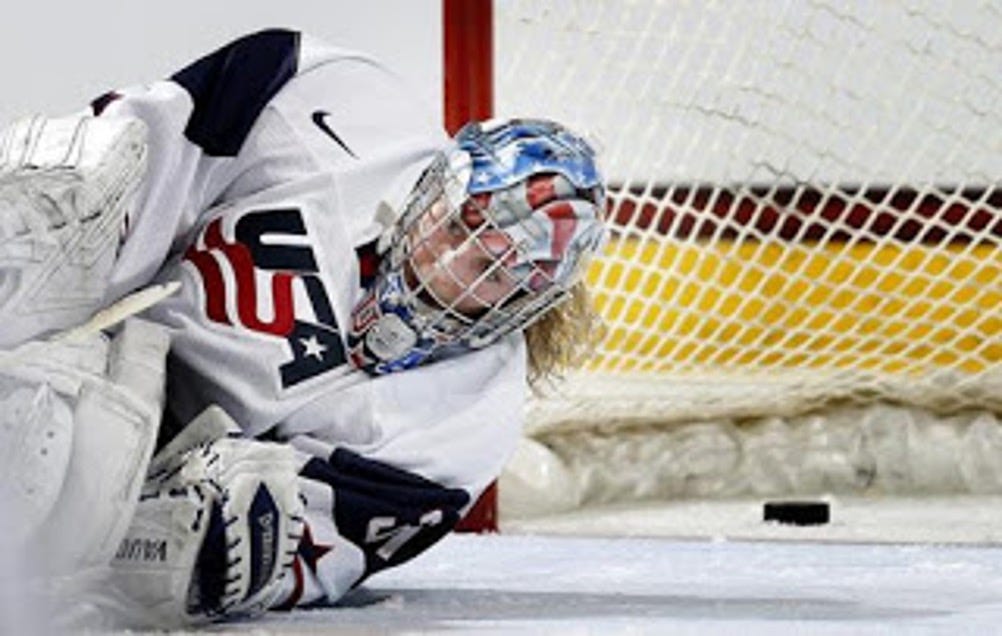
Let me tell you about one of my newer students. Piano is not her main love or interest. She is a hockey goalie. This is where her spirit dwells, at least for now. I learned this when she came into a lesson, smiling. I asked her how she was doing, and she simply said, “I won the hockey match last night.”
The statement wasn’t delivered in arrogance, but full of joy and pride. It was one of those close games, and defense saved the game. You could tell that this was REALLY important. And she told ME! I always remember that with teens, I may be one of the few adults during the week that is totally focused on her, and when a teen voluntarily TALKS to you, you know you have a relationship that is working.
I spend most of our lessons working with her on the PROCESS of practicing. This is probably the field where I excel. I love practicing. I believe it’s an art, and a science. It’s a mystery-solving thing. It’s an athletic thing (yes! I did say athletic), what with the mental-muscle control, the learning of efficient movements, and the stamina that it takes to perform.
Since I know that her time at the piano is limited, I want to make her time productive and efficient. I want her to know the power you can feel when you identify a problem and solve it. I want her to find a way to think of herself as a success at the piano. I want these things to be in place for the time in her life when she no longer plays hockey. I want her to still love the piano and be playing as an old lady with hockey photos in an album somewhere.
I know she loves music, and especially the piano. This school year she was faced with a problem caused by the Minneapolis Schools. They decided to start school earlier. She already was taking her lesson at 7:30 in the morning so she could have enough time to do her workout here and still get to school on time. The earlier start time was not going to leave enough time for a lesson and travel time to school.
An after-school lesson was not going to be possible due to hockey and soccer practice daily after school. Her first idea was not, “Oh well, I guess I can’t take piano.” She asked if she could come at 7:00 am. This is a high school girl. They are famous for always being tired and not wanting to get up early. To get here for a 7:00 lesson she gets up around 5:30. Are you impressed yet? You better be!
I had all these thoughts one day as I was making Gumbo. I make it the real way, like a Cajun. I lived in Louisiana for 20 years, and cooking creole and Cajun food is one of the lasting loves from those days. I thought about Lilah, because PROCESS and CREATIVITY is what drives piano practice. It is the source of the joy and love we take away from the piano. And it’s the very same for cooking.
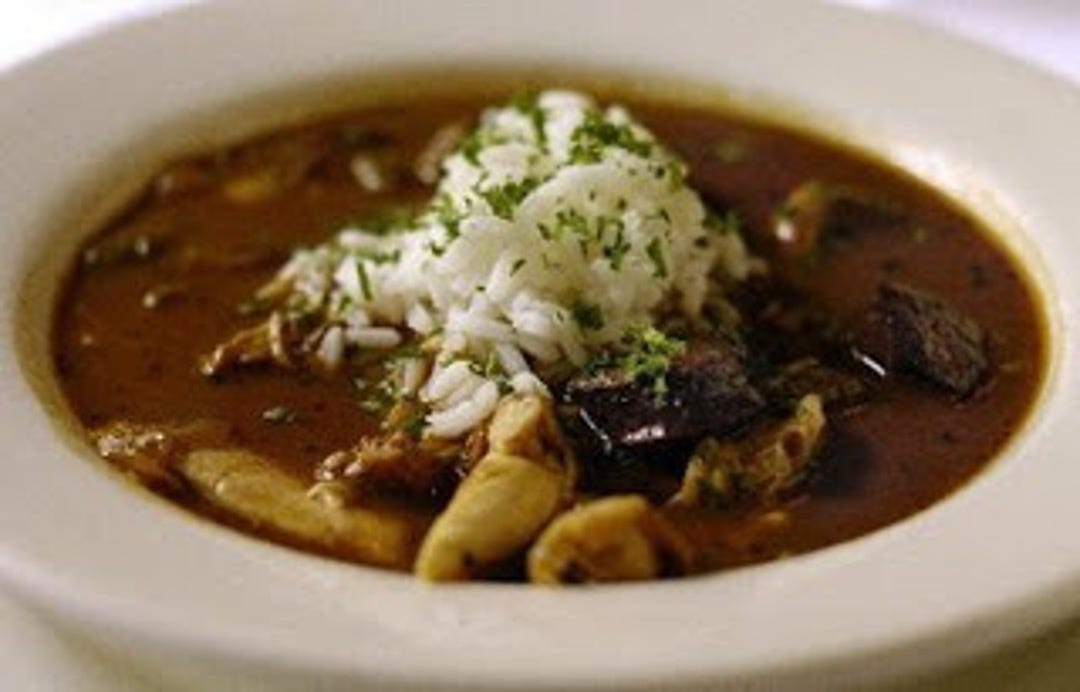
By Process, I’m not talking about a recipe. I’ve had to write my “recipe” down before but is excruciatingly difficulty. Because lots of cooking is improvisation. It is creativity, embodied. But it is also a process. You envision the product and you work your way toward that product. There are things that you learn, efficiencies that you adopt, and many, many inefficiencies that you insist on to make the product PERFECT!
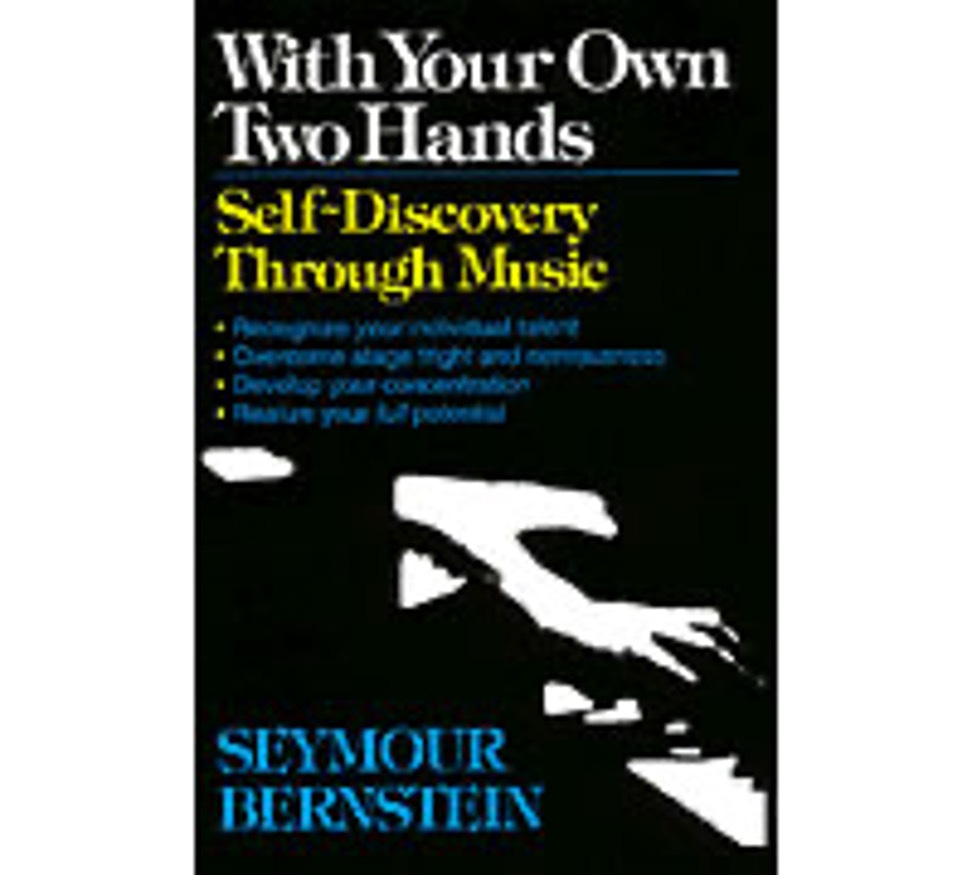
Like Seymour Bernstein says in his book, With These Two Hands, learning how to practice at the piano creates superior individuals that can organize their thoughts and actions, diagnose and solve problems, think creatively on how to achieve a goal set in their minds. Piano Practice can teach you to accomplish totally unrelated things.
I want to thank this student for reminding me of all this and inspiring the Gumbo that I am creating today.
Do you know a pianist or a music teacher that might enjoy Fingers Dancing? Please feel free to SHARE this with them. I have about 150 articles describing my two journeys, as a pianist, and as a piano teacher that have merged, enhanced each other, and made my life very full.
The portrait of your remarkable student pairs very well with your depiction of the process of practice! I especially appreciate your caparison to cooking but being very clear that it is NOT a recipe. Had you referenced Seymour Bernstein's book in your original post, or were you reminded of him recently (the sad news of his passing)?